Notebook KDP Interiors V.1: A Strategic Tool for Content Creators and Entrepreneurs
In the crowded marketplace of Amazon’s Kindle Direct Publishing, a product’s presentation is often its first and most critical pitch. The interior layout of a physical notebook—the structure of its pages, the clarity of its design, the unspoken promise of its usability—communicates value before a customer ever writes a word. Notebook KDP Interiors V.1 is not merely a collection of template files; it is a pre-engineered solution for publishing a professional-grade notebook. For entrepreneurs, creators, and publishers, it represents a strategic shortcut, eliminating the technical barrier of design and formatting to focus energy on branding, marketing, and business growth.
Beyond a Template: The Operational Value of a Ready-to-Publish Interior
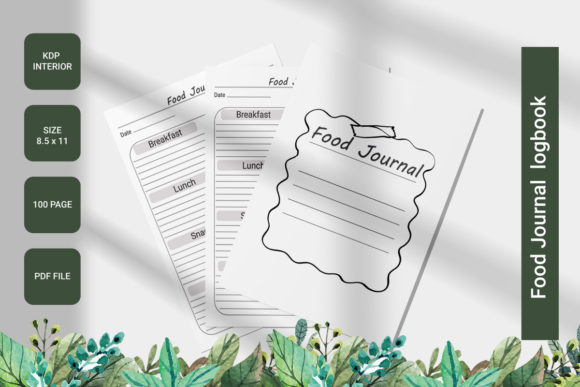
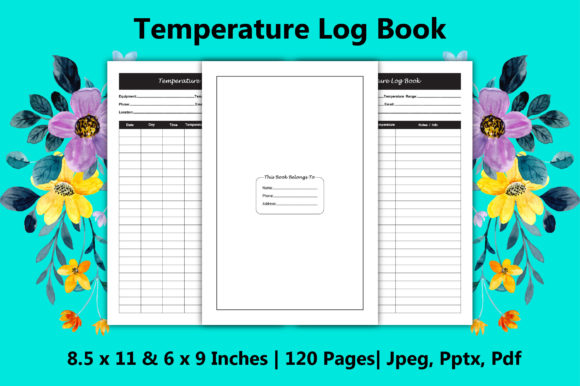
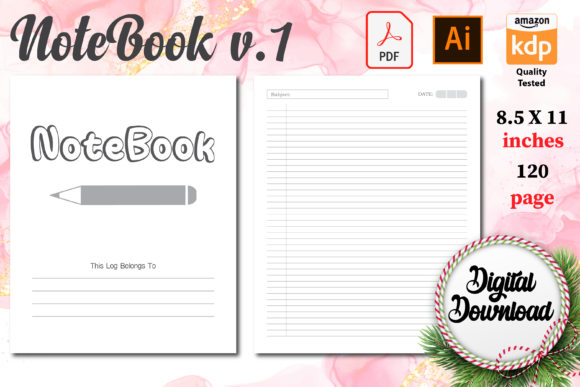
The package, which includes a 120-page PDF ready for upload, alongside PNG, JPG, and Illustrator source files, is functionally complete. The 8.5 x 11 inch high-quality print-ready format is the industry standard, immediately compatible with KDP’s print specifications. This operational readiness translates directly into saved time and reduced risk. Instead of investing hours in learning graphic design software, calibrating margins, and testing bleed settings, you acquire a verified foundation. This allows for a reallocation of resources—your time and attention shift from production to strategy: defining your niche, crafting your book’s description, and planning your launch campaign.
Strategic Applications and Intentional Use Cases
Using Notebook KDP Interiors V.1 effectively requires intentionality. It is a tool, and its value is determined by the goals it serves. Consider its application in these realistic scenarios:
- Brand Extension for Educators and Coaches: A fitness coach could publish a companion workout log notebook, using the interior as a consistent branded product alongside their eBooks. The uniform, professional layout reinforces their authority and offers clients a tangible tool, deepening engagement.
- Product Line Testing for Small Businesses: A small boutique selling artisan goods might use a beautifully formatted notebook as a low-risk first product on KDP. The ready-to-upload files allow for a swift launch, providing a real-world test of the platform’s sales mechanics without the overhead of inventory.
- Creative Output for Bloggers and Content Creators: A blogger specializing in productivity could transform their popular planning methodologies into a physical notebook. The provided Illustrator files allow for subtle customizations—adding a logo, altering header text—to make the template feel uniquely theirs, turning content into a monetized asset.
The common thread is leveraging the template to achieve a broader business objective, not just publishing a notebook for its own sake.
Planning Your Approach: Considerations Before Upload
While the files are tested and formatted, success depends on your preparatory work. A template cannot supply market insight or a target audience. Before relying on Notebook KDP Interiors V.1, a thoughtful practitioner should address several strategic questions:
- Market Positioning: What specific need does this notebook fulfill? Is it a general journal, or a specialized log for gardening, language learning, or project management? Defining its purpose dictates your cover design, title, and keywords.
- Customization Level: The included Illustrator files offer a gateway to customization. Do you possess, or can you access, the basic skills to modify a title page or add a footer? Even minor tweaks can significantly differentiate your product from others using the same base template.
- Integration with Other Assets: How does this notebook fit into your existing portfolio or business? Is it a standalone product, or part of a bundle? Planning its role within your larger ecosystem maximizes its impact.
This pre-launch planning ensures the template serves as a springboard, not a crutch.
The Risk of Context-Free Implementation
The primary risk of using any pre-made solution, including Notebook KDP Interiors V.1, is deploying it without clear goals or context. This can lead to generic products that flood the market—notebooks that are technically perfect but emotionally and functionally vacant. They fail to connect with a specific audience because they weren’t conceived for one. The result is low visibility, minimal sales, and a wasted opportunity. The tool’s efficiency becomes counterproductive if it encourages bypassing the essential strategic work of understanding customer problems and designing solutions.
Therefore, the guiding principle should be: Use the template to execute a well-formed idea, not to generate an idea. Let your market research, your expertise, and your audience’s needs dictate the project. Then, let Notebook KDP Interiors V.1 handle the complex execution of print-ready file creation.
Achieving Long-Term Results Through Systematic Use
For the entrepreneur viewing KDP as a long-term channel, a single notebook can be the first step in a systematic publishing strategy. The experience gained from launching with Notebook KDP Interiors V.1—from navigating KDP’s dashboard, understanding royalty calculations, and analyzing simple sales data—is invaluable. This practical knowledge lowers the barrier for your next product. Perhaps your next project will be a variation using the same interior but a different cover, or you might use the source files to create a condensed, 60-page version for a different use case.
The template, therefore, becomes part of your operational infrastructure. It reduces the variable cost and uncertainty of each new physical product launch, allowing you to scale your publishing efforts with more confidence and agility. Your focus progressively shifts from how to publish to what to publish next based on customer feedback and sales trends, which is the mark of a mature, data-informed business practice.
Practical Tips for Immediate Action
If you decide that Notebook KDP Interiors V.1 aligns with your current goals, a practical approach will yield the best outcomes:
- Audit the Files Immediately: Upon download, open the PDF in a viewer and inspect the 120-page flow. Understand the page sequence—where the numbered pages start, the placement of any front matter. Scan the PNG and JPG files to assess their resolution for any potential promotional use.
- Define Your Customization Boundary: Decide upfront what you will and will not modify. For most, adding a unique title page via the Illustrator file is a high-impact, low-effort change. Attempting a full layout overhaul might negate the time-saving benefit.
- Sequence Your Tasks: Separate the template work (finalizing your interior file) from the strategic work (crafting your cover, listing, and marketing plan). The template work, using this package, should be the quickest step. Let it be completed efficiently so you can dwell on the tasks that truly differentiate your product.
By treating the download as a component within a larger process, you maintain a strategic mindset and avoid the trap of letting the tool dictate the pace or direction of your project.
Conclusion: A Tool for Empowered Publishing
Notebook KDP Interiors V.1 is a powerful asset when placed in the hands of a creator with a clear objective. It demystifies the technical requirements of print publishing, turning a complex production task into a manageable administrative one. Its value is not inherent, but derived from how it is applied—to save time for a blogger expanding their brand, to reduce risk for a small business testing a new sales channel, or to provide a consistent quality foundation for an educator building a suite of resources. The critical takeaway is to approach it with intention. Let your strategic goals drive the project, and let this collection of ready-to-upload files serve as the reliable engine that executes the mechanical part of your vision, freeing you to focus on the parts that require human insight, creativity, and connection.